
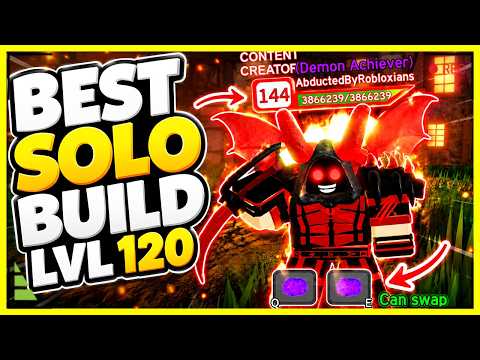
The Dungeon Quest Reborn class tier list determines every strategic decision you make in this Roblox action RPG, from dungeon selection to equipment optimization. With only two playable classes available—Warrior and Mage—understanding their distinct strengths, weaknesses, and optimal use cases becomes the foundation for efficient progression through Desert Temple, Winter Outpost, and Pirate Island dungeons. This comprehensive class comparison guide examines damage output, survivability, farming efficiency, and boss performance to help you identify which class best matches your preferred playstyle, whether you favor aggressive melee combat or powerful ranged spellcasting. This comparison breaks down each class's damage output, survivability, farming efficiency, and boss performance; see our class guide for detailed analysis.
Understanding Class Fundamentals in Dungeon Quest Reborn
| Dungeon | Warrior Advantages | Mage Advantages | Recommended Class | Key Challenge |
|---|---|---|---|---|
| Desert Temple | High defense, consistent melee damage | AoE spells clear groups fast | Warrior (early game) | Scorpion King stun-lock |
| Winter Outpost | Strong single-target burst, armor resist | Frost immunity, range safety | Mage (mid game) | Ice Golem reflect phase |
| Pirate Island | Slash attack interrupts pirates | Fireball melts Kraken tentacles | Warrior (bossing) | Cannon barrage positioning |
Before diving into tier rankings, grasping the core mechanics that differentiate each class builds a solid foundation for informed decision-making. The Warrior class excels as a close-quarters fighter, relying on physical weapons and defensive capabilities to absorb damage while delivering consistent melee strikes. The Mage class operates from distance, channeling elemental spells that sacrifice raw power for area-of-effect coverage and crowd control versatility. These fundamental differences create distinct gameplay rhythms that appeal to different player preferences, and neither class is objectively superior—the tier list reflects situational effectiveness rather than absolute power levels.
Class selection occurs during character creation, and while players can theoretically create multiple characters to experience both paths, focusing resources on a single class yields faster progression in the early and mid-game stages. Equipment compatibility heavily influences class viability, as Warrior-specific weapons cannot utilize Mage abilities and vice versa. This gear dependency means your available equipment arsenal significantly impacts which class performs optimally for your goals, whether you prioritize speed-running dungeons or methodical boss encounters.
| Attribute | Warrior | Mage |
|---|---|---|
| Primary Damage Type | Physical | Magical |
| Attack Range | Melee (close) | Ranged (distant) |
| Crowd Control | Moderate | High |
| Survivability | High | Low |
| Farming Speed | Fast (melee clears) | Moderate (cast time) |
| Boss Damage | Consistent | Burst potential |
Warrior Class: Melee Dominance and Sustainable Combat
The Warrior playstyle in Dungeon Quest Reborn centers on aggressive positioning and sustained damage output through sword strikes and shield blocking. Warriors function as the frontline combatants in multiplayer groups, drawing enemy attention while maintaining steady damage over extended encounters. This defensive capability proves particularly valuable when facing dungeons with overwhelming enemy density, where the Warrior's high health pool and damage absorption mitigate the chaos of combat.
Warrior advantages include exceptional sustained damage in prolonged fights, superior physical defense against dungeon hazards, and efficient resource management through cooldown-based abilities. The class performs exceptionally well in tight dungeon corridors where enemies approach from predictable angles, allowing Warriors to maximize damage output by positioning strategically. Community feedback consistently highlights the Warrior's beginner-friendly nature, as the forgiving hitbox proximity and straightforward positioning requirements reduce the learning curve compared to Mage spellcasting mechanics.
The Warrior's farming efficiency ranks among the highest in the game, particularly in dungeons with large enemy packs. Melee attacks hit multiple nearby enemies simultaneously, and the absence of casting animations means Warriors maintain consistent damage flow without interruption. This sustained assault pattern makes Warriors the preferred choice for players focused on loot accumulation and experience farming, as higher kill rates directly translate to improved drop rates and faster leveling.
Mage Class: Ranged Power and Strategic Flexibility
The Mage playstyle offers dramatically different gameplay dynamics centered on positioning awareness, spell timing, and environmental exploitation. Mages deal magical damage from safe distances, allowing them to engage enemies while maintaining separation from dangerous melee attacks. This ranged advantage becomes transformative in boss encounters where attack patterns require precise dodging—the Mage's casting range permits continued damage output while maintaining the optimal distance for pattern recognition and evasion.
Mage spellcasting introduces complexity through casting times and mana management, creating windows of vulnerability that skilled players must mitigate through positioning and timing. Elemental spells deliver superior burst damage compared to Warrior attacks, enabling Mages to eliminate high-priority targets rapidly or execute damage phases efficiently during boss encounters. The trade-off involves reduced survivability, as Mage armor and health values fall significantly below Warrior benchmarks.
The Mage's crowd control capabilities provide strategic advantages that Warriors cannot replicate. Area-of-effect spells affect multiple enemies simultaneously, and crowd control effects like stuns and slows extend effective damage output by immobilizing threats. In dungeons with elite enemy packs, Mage crowd control creates breathing room for repositioning and enables tactical decisions that pure damage dealers cannot execute. This versatility makes Mages valuable in organized party play, where players coordinate ability usage to maximize group effectiveness.
Class Tier List Rankings and Rationale
The Dungeon Quest Reborn class tier list organizes classes into tiers reflecting their overall effectiveness across various gameplay scenarios. Tier rankings consider damage output, survivability, farming speed, boss performance, and multiplayer utility to produce balanced assessments applicable to diverse player goals. Understanding why classes occupy their respective tiers clarifies the strategic reasoning behind tier placement and helps players make informed decisions about class investment.
Tier S: Exceptional Versatility and Performance
The Warrior class occupies the S-tier position due to its unmatched combination of damage output, survivability, and farming efficiency. This top-tier placement reflects the Warrior's ability to excel across all gameplay modes without significant weaknesses requiring specialized equipment or team support. Players prioritizing solo progression and independent farming benefit most from Warrior's forgiving mechanics and consistent performance in challenging content.
Tier A: Situational Excellence with Trade-offs
The Mage class achieves A-tier status through exceptional burst damage and crowd control potential, tempered by survivability concerns in high-difficulty content. This upper-tier placement acknowledges the Mage's viability for experienced players who master spellcasting positioning and timing. In organized parties with tanking support, Mage performance matches or exceeds Warrior benchmarks, but solo players face steeper difficulty curves requiring superior mechanical skill.
| Tier | Class | Solo Viability | Party Viability | Farming Speed | Boss Performance |
|---|---|---|---|---|---|
| S | Warrior | Excellent | Excellent | Fast | Consistent |
| A | Mage | Moderate | Excellent | Moderate | Burst potential |
| B | — | — | — | — | — |
| C | — | — | — | — | — |
Best Class for Different Playstyles and Goals
Player objectives fundamentally influence which class performs optimally, and matching your primary goals to class strengths maximizes progression efficiency. The best class for beginners question consistently resolves in the Warrior's favor, as the class's forgiving mechanics and straightforward damage dealing reduce the skill threshold for successful dungeon completion. New players benefit from Warrior durability, which absorbs mistakes that would defeat fragile Mage characters repeatedly.
The best class for farming prioritizes speed and resource accumulation over all other factors. Warriors excel in this role through sustained melee damage that clears enemy packs rapidly without casting interruptions. Players focused on loot acquisition and experience grinding should strongly consider Warrior investment, as faster dungeon completion directly correlates with improved farming returns over extended play sessions.
The best class for bossing presents more nuanced considerations, as boss encounters test both damage output and survivability under pressure. Warriors provide consistent damage during extended boss fights, maintaining pressure through cooldown rotations and resource management. Mages deliver superior burst potential during damage phases, but vulnerability windows between spell casts create risk during unpredictable boss attack patterns. For players optimizing specifically for boss loot, Warrior consistency typically outperforms Mage burst damage over statistically significant sample sizes.
Equipment Synergies and Optimization Strategies
Class-specific equipment dramatically impacts performance beyond base class statistics, creating equipment-gated power spikes that reward farming investment. Warrior equipment focuses on physical attack power, critical hit chance, and armor penetration to maximize melee effectiveness. Mage equipment prioritizes spell power, casting speed, and mana efficiency to reduce spellcasting bottlenecks. Cross-class equipment provides no benefit, reinforcing the importance of committed class selection before equipment investment.
Optimal equipment progression follows dungeon difficulty curves, with early-game Desert Temple drops serving Warrior and Mage builds equally before specialized equipment unlocks at higher difficulty thresholds. Players should prioritize equipment upgrades that address class weaknesses—for Warriors, this means seeking damage amplification to complement natural survivability, while Mages benefit most from survivability items that mitigate their glass-cannon vulnerability.
The equipment comparison guide provides detailed recommendations for both classes at each progression stage, helping players allocate limited resources efficiently. Equipment rarity significantly impacts performance, with rare and legendary drops providing substantial stat advantages over common alternatives. Players pursuing competitive performance should prioritize equipment optimization alongside class investment to maximize effectiveness across all content types.
Multiplayer Dynamics and Party Composition
Party gameplay introduces class synergy considerations that single-player tier rankings cannot fully capture. Party compositions featuring both Warriors and Mages outperform single-class groups through complementary capabilities—Warriors absorb damage and maintain enemy attention while Mages deliver damage from protected positions. This cooperative balance creates scenarios where Mage performance improves dramatically relative to solo play, potentially shifting individual tier assessments for organized players.
Dungeon design accommodates both class types through enemy variety, with certain encounters favoring ranged or melee approaches based on enemy positioning and attack patterns. Players should adapt their strategies based on dungeon layout, recognizing that class effectiveness varies by encounter rather than remaining constant across all content. Understanding these encounter-specific dynamics separates average players from experts who optimize performance through adaptive strategy rather than static tier assumptions.
The multiplayer co-op gameplay features support cross-class interaction through shared experience gains and coordinated equipment drops, encouraging party play even for self-sufficient class builds. Players seeking social gameplay experiences should consider Mage's superior party utility when making class decisions, as the class's crowd control contributions enhance group dynamics beyond raw damage statistics.
Frequently Asked Questions
Which class is better for beginners in Dungeon Quest Reborn?
The Warrior class offers the best experience for new players due to its high survivability, forgiving positioning requirements, and consistent damage output. Beginners benefit from the Warrior's ability to absorb mistakes that would defeat Mage characters repeatedly. The class's straightforward melee mechanics reduce the learning curve compared to Mage spellcasting timing and positioning demands.
Does the Mage class outperform Warriors in boss fights?
Mages deliver superior burst damage during boss damage phases, but Warriors provide more consistent damage output throughout extended encounters. The choice depends on player skill level and boss mechanics—if you can reliably dodge attacks while casting, Mage burst potential outperforms Warrior consistency. For most players, Warrior reliability produces better average boss kill times.
Can I switch classes after choosing one in Dungeon Quest Reborn?
Class selection creates separate character progression, and the game permits creating multiple characters to experience both Warrior and Mage paths. Dedicated players often maintain one character per class to access equipment options for both playstyles. However, focusing resources on a single class yields faster progression in the early and mid-game stages.
What is the fastest farming class in Dungeon Quest Reborn?
The Warrior class farms dungeons fastest through sustained melee damage that clears enemy packs without casting interruptions. Melee attacks hit multiple nearby enemies simultaneously, maximizing kill speed in content-dense dungeons. Players prioritizing farming efficiency should strongly consider Warrior investment for optimal loot and experience returns.
How do class tier lists affect multiplayer gameplay?
Party compositions with both classes outperform single-class groups through complementary capabilities—Warriors absorb damage while Mages deliver protected damage from range. Tier lists reflect solo performance more accurately, as organized parties can compensate for class weaknesses. Players seeking multiplayer experiences should consider party synergy when evaluating class effectiveness.